Key takeaways
- This guide is for commercial, civil and industrial sites, not household plumbing.
- Visible silt, debris, repeated ponding and overflow are practical signs a pit should be assessed.
- Jet rodding can clear suitable stormwater assets, while vacuum recovery can remove loosened sediment and wet material.
- The useful first step is collecting site facts, pit photos and drainage context before the crew arrives.
- If the job may move into repair or excavation near services, gather the relevant plans and controls first.
On this page
What stormwater pit cleaning should address
Stormwater pit cleaning starts with the pit’s role in collecting runoff and moving it into the wider drainage system. On a commercial site, the practical question is not whether a pit looks perfect. It is whether the pit is still receiving and passing water the way the site needs during normal rain and clean-up conditions.
VACIT already positions drain cleaning and jet rodding for blocked drains, stormwater systems, pits and site drainage where high-pressure jetting and vacuum recovery can help clear the line and manage the mess.
Visible signs cleaning may be due
No one article can diagnose the exact cause of every drainage issue, but there are practical signs that justify a closer look.
- Water repeatedly sits around the pit or inlet after ordinary rain when the surrounding area should have drained away.
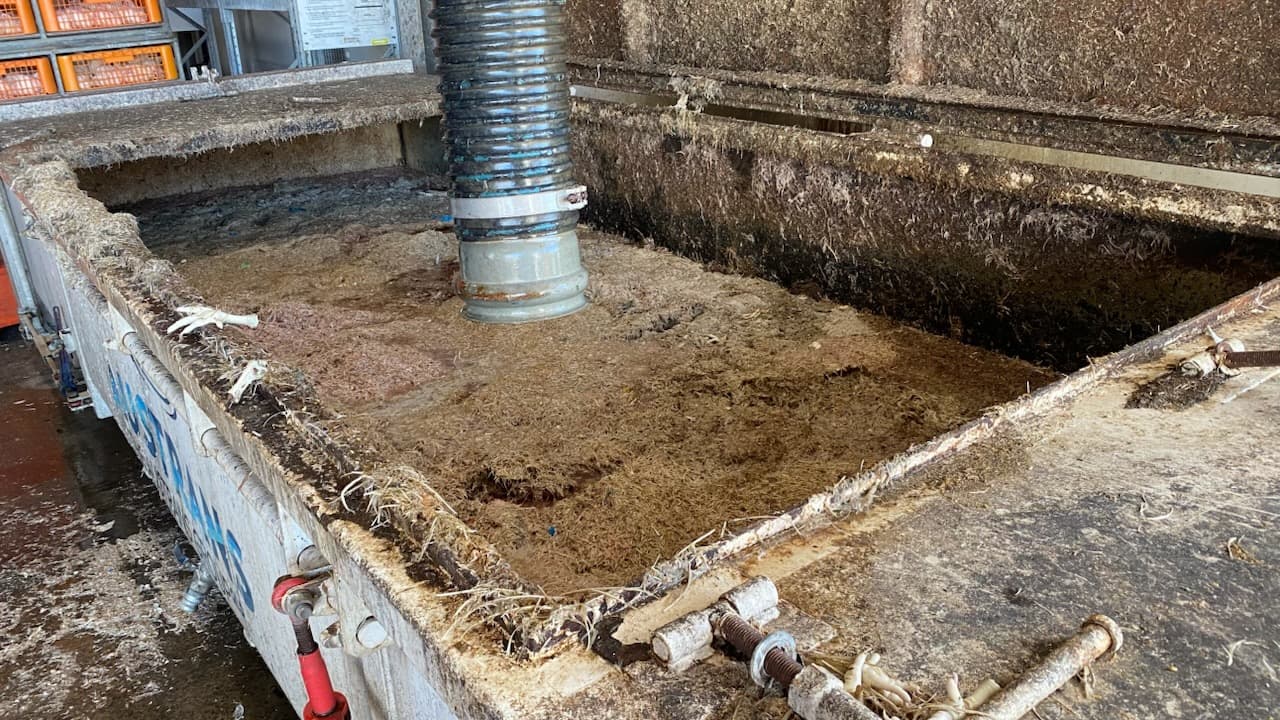
- The grate, sump or chamber shows visible silt, sediment, leaves, litter or washed-in material reducing the available space.
- The pit overflows during rainfall or wash-down conditions and pushes water back across trafficable or work areas.
- Nearby works have introduced soil, slurry, concrete residue or other loose material into the drainage path.
- The same area needs repeated temporary clean-up because the pit or downstream line is not flowing freely.
- The site team cannot safely inspect the pit condition because the chamber is full, dirty or difficult to access without the right equipment.
Avoid fixed-interval promises
A pit does not need cleaning just because a calendar says so. Site runoff, material, nearby works and the pit’s role in the drainage system matter more than a generic interval.
What drain cleaning and vacuum support can actually solve
Jet rodding is used to break up suitable debris, sediment and build-up inside the drainage asset. VACIT also positions vacuum recovery as the follow-through step when loosened material, slurry or wet waste needs to be removed from the pit or work area rather than left there.
That matters on commercial sites because clearing the line is only part of the job. If the pit is loaded with wet sediment or the surrounding area still needs recovery, the work can stay half-finished without a way to remove the mess.
What to inspect before you call
- Which pit or drainage run is affected and what part of the site it protects.
- Whether the issue shows up during rain, wash-down, normal operations or all three.
- What material is visible: silt, leaves, slurry, construction residue or other wet debris.
- How easy the pit is to access, including truck position, hose route, traffic management and site rules.
- Whether nearby pits or outlets appear to be backing up at the same time.
- Whether there are nearby underground services, recent works or excavations that change the risk profile.
This follows the same practical planning logic VACIT uses across its wider site-support work: access, work area, material, truck position and disposal path all affect how the job should be scoped.
When the job needs more than a clean-out
A blocked or sedimented pit is not the only possible issue. Sometimes the real problem sits further down the line, in the site layout, or in damaged drainage infrastructure. If the observed condition points beyond ordinary cleaning, the next step may be further inspection, repair planning or a wider site decision rather than repeated jetting.
- Repeated overflow returns quickly after the pit is cleared.
- The pit structure, grate or surrounding surface appears damaged or unsafe.
- There is reason to think the line alignment, downstream outlet or connected assets need investigation.
- The works will move into excavation or intrusive repair near underground services.
- Council, principal-contractor or site controls require drawings, permits or traffic planning before access can be opened.
Where excavation or intrusive repair is likely, Queensland guidance still requires current underground essential-services information to be obtained and considered before excavation starts.
What to send with a commercial stormwater enquiry
- The site address and a contact who can describe the affected area.
- Clear photos of the pit, grate, surrounding runoff path and any visible build-up.
- Notes on when the issue appears, including recent rain, wash-down or operational triggers.
- Access details: truck position, gate width, hose distance, work windows and traffic constraints.
- Any drainage plans, service information or recent works that change the job conditions.
- What the site needs next: clean-out only, help recovering wet material, or advice on a wider drainage problem.
That information makes it easier to judge whether the job fits drain cleaning alone or whether vacuum loading, liquid-waste handling or another supporting service is likely to be involved.
Next step
If you need VACIT to review the pit, send through the pit photos, access notes and the details of when the problem appears so the team can assess the job.
If the issue sits alongside a wider drainage problem, read the related stormwater and site-drainage article for the broader jet-rodding context.
Related Posts
Is Dial Before You Dig Free? What BYDA Plans Cover
Lodging a Before You Dig Australia enquiry is free. Here is what the free plans cover, what they leave out, and what a Queensland site still needs.
Vacuum Excavation vs Hydro Excavation
Hydro excavation is a type of vacuum excavation, not a rival method. Here is what the terms actually mean, what Queensland rules expect first, and what to send with an enquiry.
Vacuum Excavation Trucks on a Civil Worksite
What a vacuum excavation truck actually does on a civil site, where it fits in the safe-digging sequence, and the access and site information that affects the job.
GPR vs Concrete Scanning: Which Pre-Drill Check?
A practical Brisbane and South East Queensland guide to when concrete scanning leads, where GPR fits, and what to confirm before drilling or investigation starts.