

Key takeaways
- Concrete scanning usually supports the immediate pre-drill, pre-core, or pre-cut question on a defined structure.
- GPR usually supports a wider investigation before excavation, locating, mapping, or construction proceeds.
- The methods can overlap, but they are not automatically interchangeable.
- A result that still leaves uncertainty may need to lead into service locating, utility mapping, or careful exposure instead of straight into the next physical step.
- Good quote planning depends on the exact work area, the next activity, available records, access, and the deliverable required.
On this page
What each method is trying to answer
The easiest way to separate the two services is to start with the work question.
If the job is about a slab, wall, or structure that may be drilled, cored, cut, or otherwise penetrated, the immediate question is usually what is inside or behind that structure before invasive work starts. VACIT's current concrete scanning owner page is framed around that exact need.
If the job is broader and the site team still needs more information before excavation, mapping, locating, or related construction work, the question is usually larger than a single drill point. VACIT's current GPR owner page frames the service as part of that wider investigation.
Where concrete scanning usually leads
Concrete scanning is the stronger first step when the job turns on a specific structure and an immediate pre-drill, pre-core, pre-cut, or pre-penetration decision.
- The slab, wall, or structure is already defined.
- The next activity is cutting, coring, drilling, or a similar structural penetration.
- The site team knows the area to investigate and the deliverable it needs next.
- The purpose is to reduce uncertainty before the invasive step starts.
That keeps the method close to the point where the physical intervention is about to happen. It is not a broad site statement. It is a pre-start investigation for a defined structural task.
Where GPR usually fits
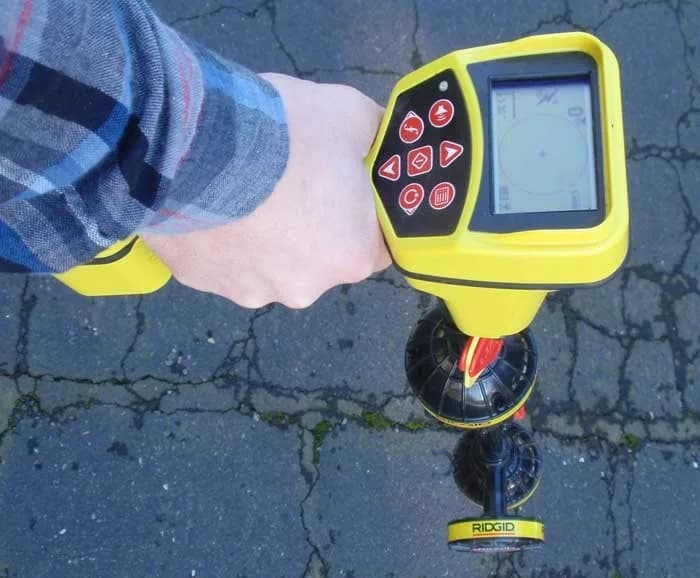
GPR usually fits when the site team still needs wider asset-awareness information before deciding how the next stage should proceed.
That can mean the uncertainty is spread across a larger area, the result needs to inform a broader investigation, or the next step may still be locating, mapping, exposure, or revised planning before the job is ready for a direct penetration.
VACIT's live GPR owner page also makes a sequencing point: where assets are still suspected, GPR and mapping can lead into service locating and, where required, careful vacuum excavation to visually confirm what is underground. That keeps the method in the right place in the workflow.
A practical side-by-side comparison
The cleanest way to choose is to compare the question, not just the tool name.
| Question | Concrete scanning usually fits first | GPR usually fits first |
|---|---|---|
| What are we checking? | A defined slab, wall, or structure before penetration | A broader area or investigation before excavation, locating, mapping, or construction |
| What happens next? | Cutting, coring, drilling, or another invasive structural step | More investigation, locating, mapping, exposure, or revised planning |
| What should the team send? | Structure details, work area, proposed penetration, access, required marks or records | Plans, records, investigation area, surface conditions, access, and the required follow-up outcome |
| What owner page does it support? | /services/concrete-scanning | /services/ground-penetrating-radar |
Key point
The overlap is real, but the first useful question is still different. That is why this article supports both owner pages instead of trying to replace either one.
Let the result decide the next step
The investigation itself is only useful if it leads to the right next action.
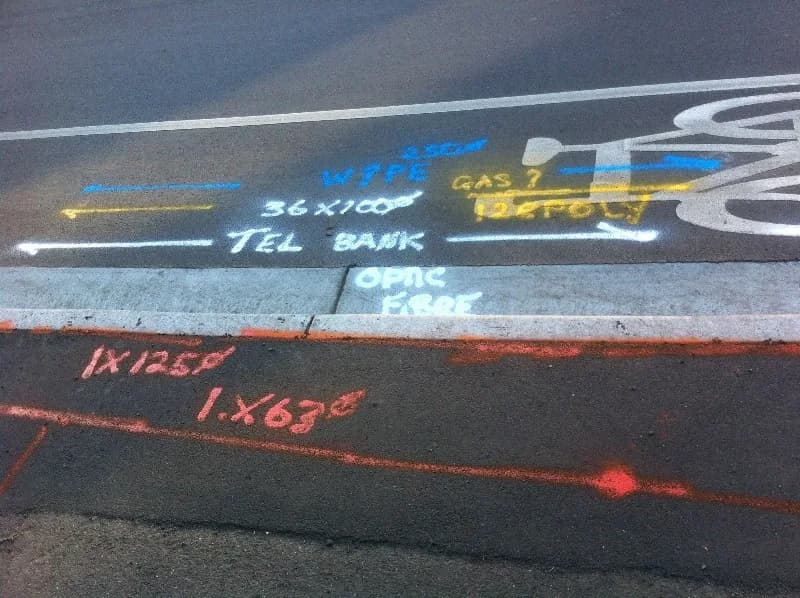
- Service locating where a likely alignment or asset path still needs field confirmation.
- Utility mapping where the planning layer needs to be clearer before the work package is finalised.
- Careful vacuum excavation where direct visual confirmation is still required before the next higher-risk activity.
The important point is that a pre-drill investigation is part of the planning sequence, not the whole sequence by itself.
When to stop and get more direction
- The slab, wall, structure, or wider investigation area is not defined well enough to scope the work.
- The team cannot explain what the next activity is after the check.
- The plans, records, or site information do not match the work area.
- The deliverable is unclear, such as whether the crew needs marks only, a broader investigation, or a follow-up locating workflow.
- The result would still leave the job needing another confirmation step that has not been planned yet.
What to include with the quote request
If the site team needs VACIT to help decide whether concrete scanning or GPR should lead, send the information that makes that decision practical:
- The site address and the specific work area.
- The slab, wall, structure, or broader area that needs investigation.
- The planned cutting, coring, drilling, excavation, locating, or construction activity that follows.
- Any available plans, records, marked-up drawings, or previous investigation notes.
- Access and worksite controls.
- The result the next crew needs, such as marks, records, a broader investigation, or a follow-up exposure plan.
If the work area is already defined, request a quote with the plans, access notes, structure or area details, and the next activity so VACIT can assess which pre-drill check fits the job.
Related Posts
Is Dial Before You Dig Free? What BYDA Plans Cover
Lodging a Before You Dig Australia enquiry is free. Here is what the free plans cover, what they leave out, and what a Queensland site still needs.
Vacuum Excavation vs Hydro Excavation
Hydro excavation is a type of vacuum excavation, not a rival method. Here is what the terms actually mean, what Queensland rules expect first, and what to send with an enquiry.
Vacuum Excavation Trucks on a Civil Worksite
What a vacuum excavation truck actually does on a civil site, where it fits in the safe-digging sequence, and the access and site information that affects the job.
Commercial Stormwater Pit Cleaning: Warning Signs
A practical commercial guide to visible stormwater-pit warning signs, what information to gather, and when to organise drain cleaning and vacuum support.