
Key takeaways
- A vacuum excavation truck exposes underground services and removes spoil using suction, so crews can confirm what is in the ground before mechanical digging.
- Before You Dig Australia frames this inside a plan, prepare, pothole, protect, proceed sequence, not as a stand-alone step.
- Truck position and hose route depend on site access, not just the job size, so access information affects how the work is scoped.
- Spoil and wastewater collected during the job stay in the truck and leave the site with the crew rather than being left on site.
- VACIT operates a range of unit sizes, so the right truck depends on access, material and volume rather than a single fixed configuration.
On this page
What a vacuum excavation truck does on a civil site
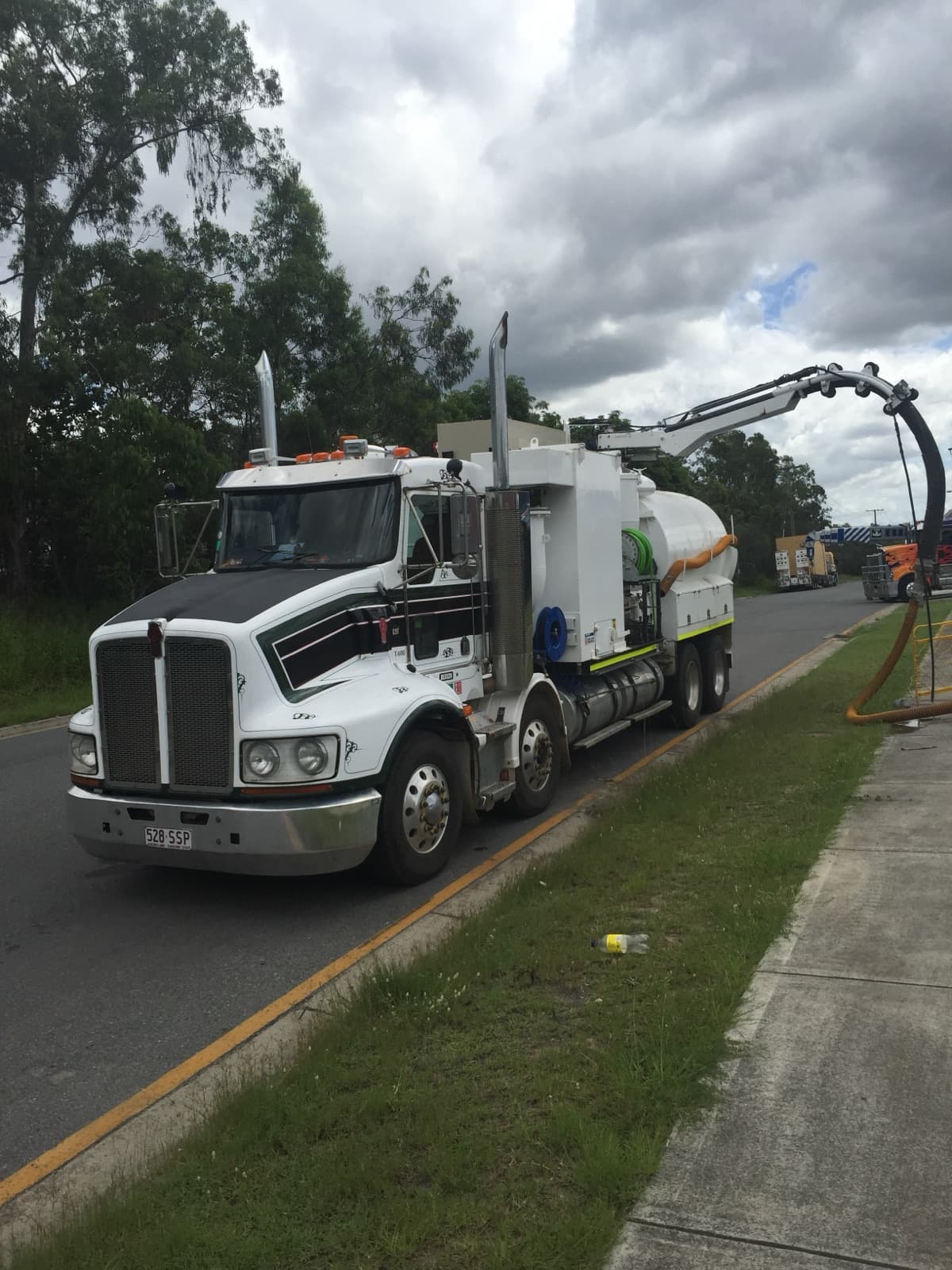
A vacuum excavation truck uses high-pressure water or air to loosen soil, then removes the spoil by suction instead of a bucket or blade. That gives crews a controlled way to pothole and expose underground services before mechanical excavation, drilling or construction work continues.
That is the method VACIT positions for civil, commercial and industrial sites across South East Queensland. The truck confirms and exposes what is already in the ground, then takes the resulting spoil away instead of leaving loosened material in an open trench. On sites where access is difficult or mechanical plant would put existing infrastructure at risk, that combination is often the practical reason vacuum excavation gets used ahead of a bucket dig.
Where potholing sits in the safe-digging sequence
Before You Dig Australia frames safe excavation as a five-step sequence: plan, prepare, pothole, protect, proceed. Potholing sits in the middle of that sequence, after a Before You Dig Australia enquiry and plan review, and before mechanical excavation is allowed to proceed near a confirmed asset.
The Queensland Excavation Work Code of Practice 2021 explains that available information about underground services may not always be exact, and identifies potholing using water pressure and vacuum as a way to confirm the exact location before other work proceeds.
Before You Dig Australia’s own guidance names hydro vacuum extraction as one accepted potholing method, used according to the relevant asset owner’s stated requirements rather than a single fixed procedure. That is consistent with the sequence VACIT already sets out for potholing and for choosing between non-destructive digging and mechanical excavation near known services.
Excavation work generally should not proceed near underground services until they have been confirmed and protected. Current Queensland guidance sets out the wider excavation duties that apply once services are exposed.
What affects truck position and hose route
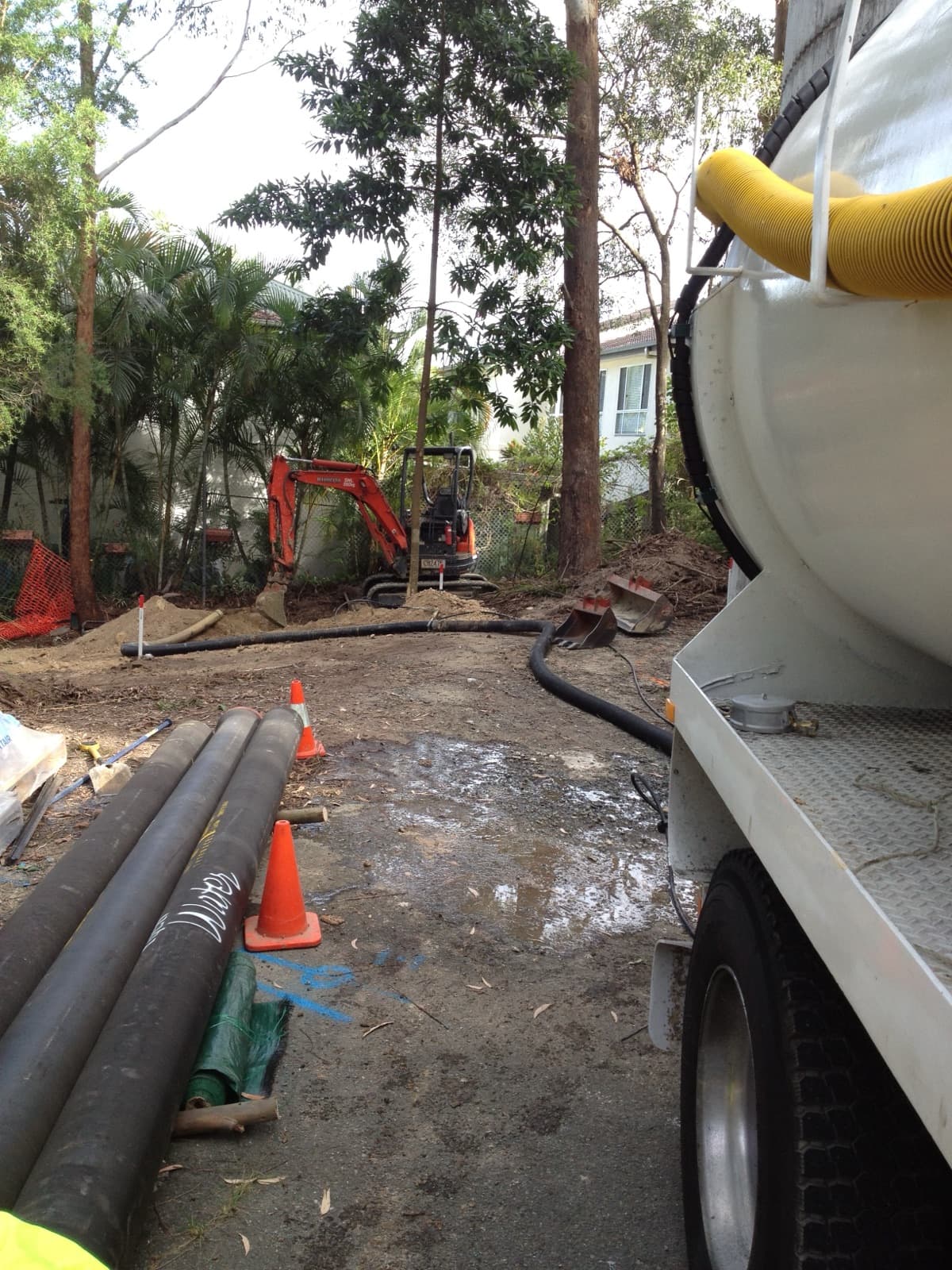
A vacuum excavation truck cannot always park directly over the work area, so the hose has to travel from the truck to the point being potholed. That route is shaped by gate widths, overhead power lines, existing structures, traffic management, other site plant and the ground surface between the truck and the dig point.
- Truck access: where the truck can park, and whether that changes across the site or the working day.
- Hose distance: how far the hose needs to run from the truck to the work area.
- Known or marked underground services along the hose route and around the dig point.
- Material type and depth, which affect how the point is worked and how long it takes.
- Site rules, traffic management and any nearby activity that changes access during the job.
This is why VACIT asks for site address, truck access details, estimated hose distance and known underground services as part of a vacuum excavation enquiry. None of that changes what the method does, but it does change how the job is planned and how long it realistically takes on site.
What happens to spoil and wastewater
Spoil and any wastewater generated during the job are drawn into the truck’s tank rather than left in a pile at the dig point. That keeps the immediate work area clearer than a mechanical dig would, which matters on constrained civil and commercial sites where space for stockpiled material is limited.
Confirm disposal specifics directly
Exact disposal routes, materials accepted and any site-specific waste requirements should be confirmed directly with VACIT for the job in question rather than assumed from a general description.
Where a job produces a larger volume of wet material, slurry or liquid waste beyond a single pothole, that recovery work sits with VACIT’s wider vacuum loading and liquid waste services rather than the potholing step itself.
Matching the truck to the job
Not every job needs the same truck. VACIT operates a range of vacuum excavation units, from smaller trucks suited to tight or restricted access through to larger-capacity units for jobs with longer hose runs or higher spoil volumes. The full current range is listed on the equipment page.
Selecting between them depends on the access, hose distance, material and volume factors above rather than a fixed rule, which is why site information matters more than a generic truck size when a job is being scoped.
What to send with a vacuum excavation enquiry
- Site address and preferred timing, including any access windows.
- Truck access details and an estimated hose distance, where possible.
- The access, service, material and volume details covered above, as far as they are known.
- Photos of the site and the specific work area.
- A short description of the work planned once the point is exposed.
Sending that information with the enquiry lets VACIT match the right truck and crew to the access and material on the day, instead of scoping the job on the site address alone.
Related Posts
Is Dial Before You Dig Free? What BYDA Plans Cover
Lodging a Before You Dig Australia enquiry is free. Here is what the free plans cover, what they leave out, and what a Queensland site still needs.
Vacuum Excavation vs Hydro Excavation
Hydro excavation is a type of vacuum excavation, not a rival method. Here is what the terms actually mean, what Queensland rules expect first, and what to send with an enquiry.
Commercial Stormwater Pit Cleaning: Warning Signs
A practical commercial guide to visible stormwater-pit warning signs, what information to gather, and when to organise drain cleaning and vacuum support.
GPR vs Concrete Scanning: Which Pre-Drill Check?
A practical Brisbane and South East Queensland guide to when concrete scanning leads, where GPR fits, and what to confirm before drilling or investigation starts.