
Key takeaways
- Non-destructive digging is commonly the verification step near known or suspected services.
- Mechanical excavation may still fit later, but it should not replace the earlier information and control steps.
- Plans, locating, potholing, and broader excavation each answer a different question.
- The work should pause when plans, field conditions, and asset-owner instructions do not align.
- Good pre-start information helps VACIT assess truck position, hose route, access, and the likely method sequence.
On this page
What non-destructive digging means here
When underground services may be in the work area, the first question is not which machine is faster. The first question is what still needs to be confirmed before the larger dig starts. In that situation, non-destructive digging and mechanical excavation do different jobs.
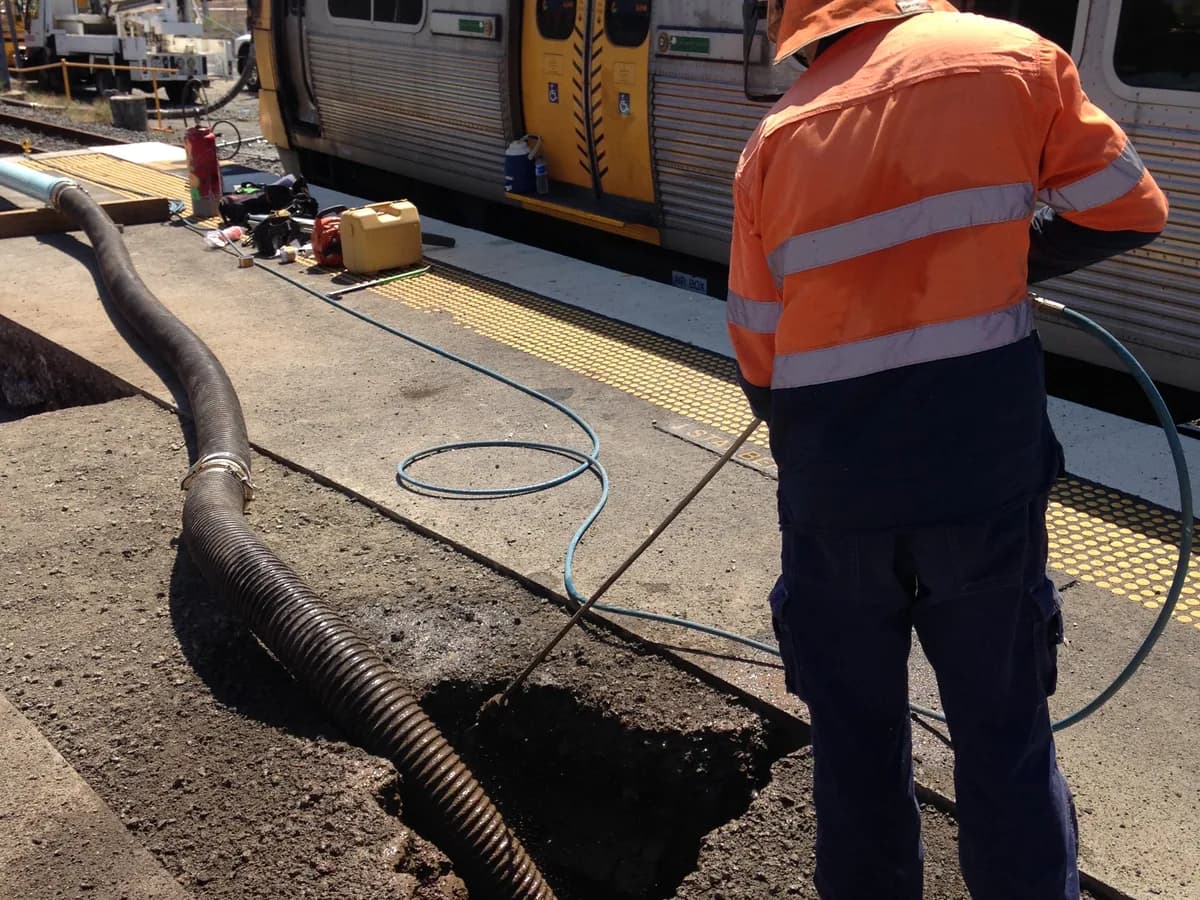
On VACIT jobs, non-destructive digging usually refers to controlled excavation methods used to expose underground assets with less disturbance than a broader machine dig. Depending on the site and asset-owner rules, that can include potholing and hydro vacuum work to verify a selected point before trenching, drilling, boring, or other civil activity continues.
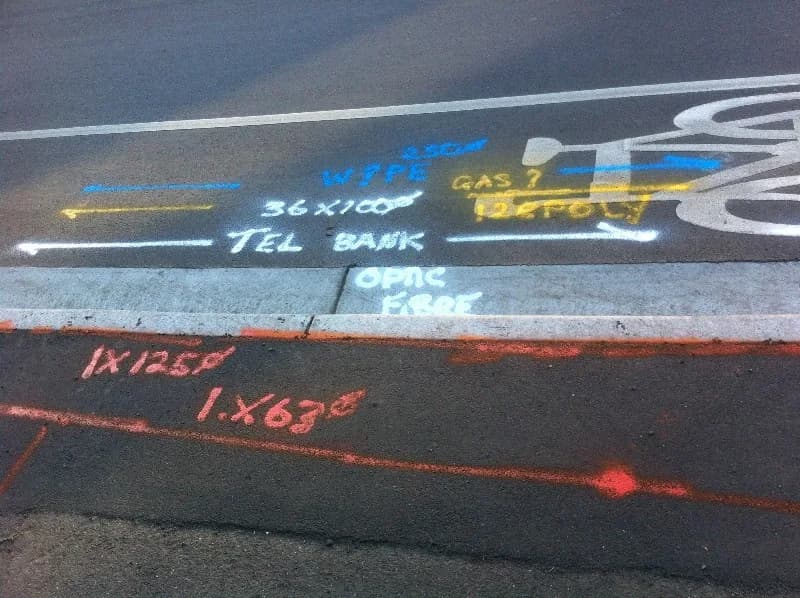
Queensland guidance explains that available underground-services information may not be exact and describes initial examination by exposing a short section when a service needs careful confirmation. That is why plans and surface marks are useful, but not always enough on their own.
Where mechanical excavation fits
Mechanical excavation is the broader production step used for trenching, bulk removal, shaping, or progressing the main scope once the earlier information and verification work is complete.
- Use the information and verification steps to decide what still needs to be exposed first.
- Treat broader excavation as the later earthmoving stage, not a substitute for the earlier checks.
- Pause when plans, markings, locating results, and field conditions do not align.
Key point
Near known services, non-destructive digging and mechanical excavation are usually sequenced rather than treated as interchangeable options.
Put the method choice into the right sequence
Before You Dig Australia frames safe excavation as a sequence: plan, prepare, pothole, protect, then proceed. Queensland Work Health and Safety Regulation 2011 section 304 separately requires current underground essential-services information to be obtained, provided, considered, retained, and made available.
- Obtain the current plans, records, and asset-owner instructions.
- Review the work area, access, and scope.
- Use locating or other investigation where the pack or project calls for it.
- Use vacuum excavation or potholing to verify the selected point when direct confirmation is still required.
- Protect the confirmed service before the larger excavation stage proceeds.
When non-destructive digging should usually lead
- When the work area contains known or suspected underground assets.
- When the records or markings are not enough on their own for the next activity.
- When the next task depends on exposing or confirming a point before a larger machine dig.
- When the asset owner has stated a permitted verification method.
- When the project team needs a cleaner way to verify a point before trenching, boring, or drilling.
That does not mean it is always the only method on the job. It means it often answers the first question that must be settled before the broader excavation starts.
When to stop and get more direction
- The plans or asset-owner information are missing, expired, or do not cover the work area.
- Field conditions do not match the records, markings, or earlier assumptions.
- The proposed verification method is not permitted by the relevant asset owner.
- An unexpected service, obstruction, or material is encountered.
- Access, traffic, rail, plant, weather, or nearby activity changes the original plan.
What to include with the enquiry
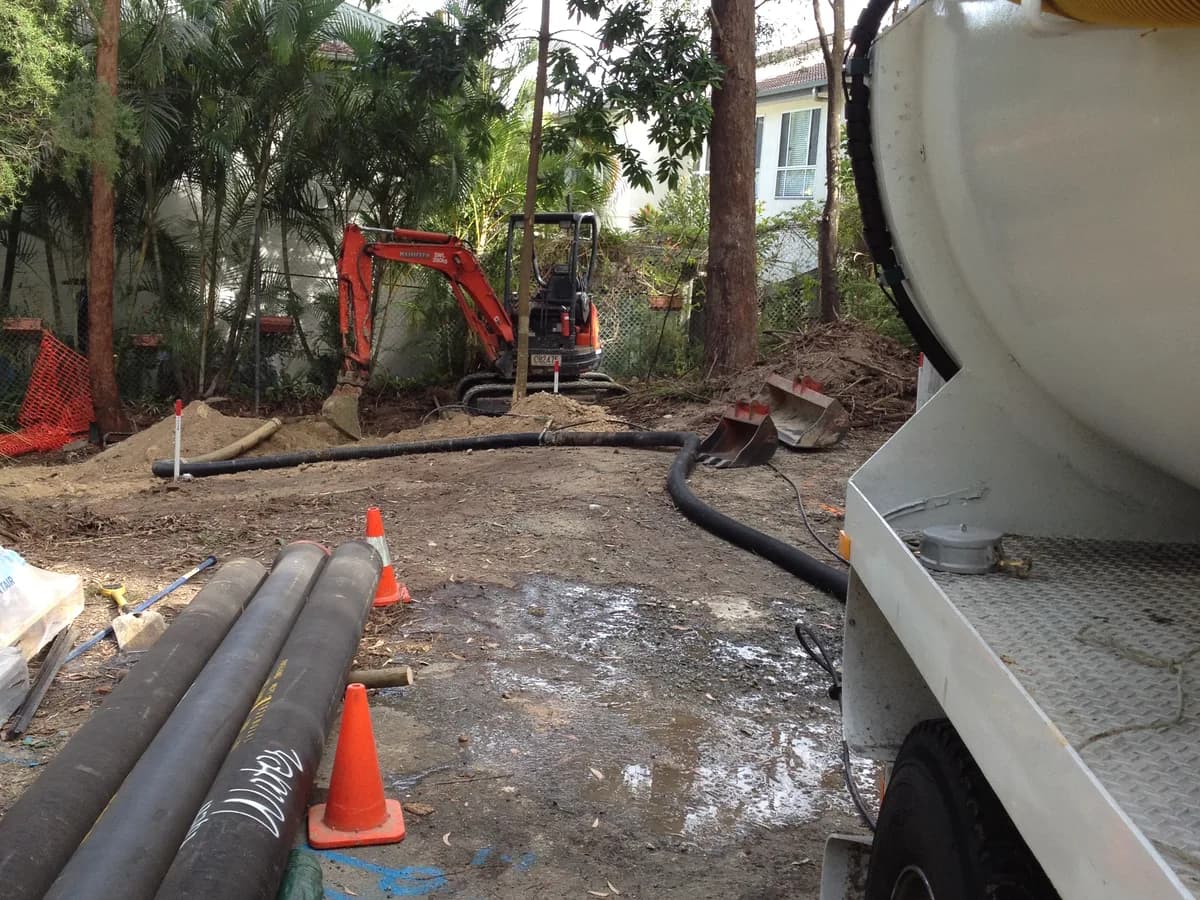
If the job may need non-destructive digging before broader excavation, send the worksite location, current plans, BYDA information, marked verification points, access photos, follow-on activity, and any permit or timing constraints.
For related context, read the existing potholing guide and the service-strike explainer before the scope is finalised.
Next step
If the work area is already defined, request a quote with the plans, photos, access notes, and the next activity so VACIT can assess the job.
Related Posts
Is Dial Before You Dig Free? What BYDA Plans Cover
Lodging a Before You Dig Australia enquiry is free. Here is what the free plans cover, what they leave out, and what a Queensland site still needs.
Vacuum Excavation Trucks on a Civil Worksite
What a vacuum excavation truck actually does on a civil site, where it fits in the safe-digging sequence, and the access and site information that affects the job.
Commercial Stormwater Pit Cleaning: Warning Signs
A practical commercial guide to visible stormwater-pit warning signs, what information to gather, and when to organise drain cleaning and vacuum support.
GPR vs Concrete Scanning: Which Pre-Drill Check?
A practical Brisbane and South East Queensland guide to when concrete scanning leads, where GPR fits, and what to confirm before drilling or investigation starts.
What Is Potholing? A Guide Before Excavation
A practical Queensland guide to potholing, utility verification, and the information contractors should prepare before excavation starts.
Vacuum Excavation Brisbane: Cut Service Strike Risk
How vacuum excavation helps civil and commercial crews expose underground assets before trenching, drilling, or construction work starts.
Drain Cleaning and Jet Rodding for Stormwater Sites
When blocked drains, pits and stormwater assets need high-pressure jetting with vacuum recovery support.
Liquid Waste and Vacuum Loading for Worksites
How vacuum loading helps remove slurry, sediment, wet material and liquid waste from commercial and industrial sites.